The Tajweed Quran in the Riwayah of Al-Susi: A Comprehensive Scientific Guide

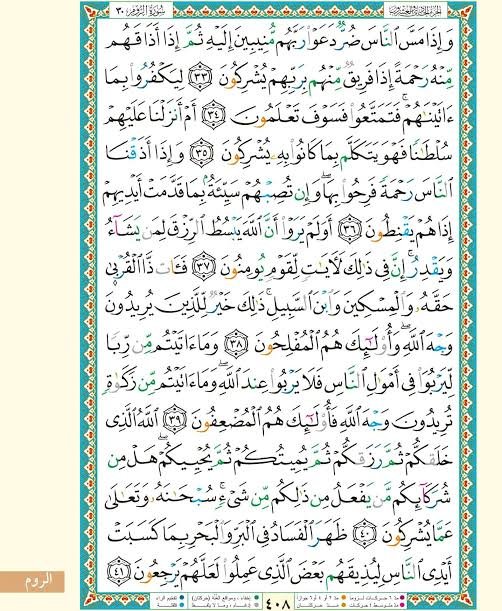
The Tajweed Quran in the Riwayah of Al-Susi
Introduction: Why the Riwayah of Al-Susi?
The Riwayah (narration) of Al-Susi on the authority of Abu Amr Al-Basri is one of the most important and rigorously authenticated (Mutawatir) Quranic recitations. However, it is less widely known among the general Muslim public compared to the famous Riwayah of Hafs ‘an ‘Asim. For researchers in Quranic sciences and Qira’at (recitations), this Riwayah possesses unique phonetic and linguistic characteristics that are highly deserving of study.
With the growing global interest in Quranic recitations, the need for accurately printed and verified Qurans according to this Riwayah has become evident. One of the most prominent editions available today is the Tajweed Quran in the Riwayah of Al-Susi, which beautifully combines precise Quranic script (Dabt) with visual Tajweed rules.
This article provides a scientifically documented overview of the Riwayah of Al-Susi, its unique features, and a detailed look at the Tajweed Quran printed according to it.
1. Defining the Riwayah of Al-Susi
Who is Al-Susi?
Al-Susi is Abu Shu’ayb Salih ibn Ziyad Al-Susi Al-Raqqi, who passed away in the year 261 AH. He narrated the recitation directly from Abu Amr Al-Basri through the intermediary of Yahya ibn Al-Mubarak Al-Yazidi. He is considered one of the primary and most reliable narrators of Abu Amr, alongside Al-Duri (Hafs ibn Amr Al-Duri). The Riwayah of Al-Susi is a Mutawatir narration, meaning it was transmitted by a large group of trustworthy narrators from another large group, making it an authentic and established method of reciting the Quran.
Its Status According to Ibn Al-Jazari
Imam Ibn Al-Jazari documented the Riwayah of Al-Susi in his foundational book, “Al-Nashr fi Al-Qira’at Al-‘Ashr” (The Spread of the Ten Recitations), as one of the officially adopted narrations of Abu Amr. Scholars have emphasized that the Riwayah we have today—transmitted via the Tariq Al-Shatibiyyah—is the officially recognized and recited version.
2. Key Characteristics of the Riwayah of Al-Susi
The Riwayah of Al-Susi differs from both Hafs and Al-Duri in several fundamental rules (Usul) and specific words (Farsh). The most notable features include:
A. Al-Idgham Al-Kabir (Major Merging)
Al-Susi is famous for his Idgham of identical and proximate letters. For example, in Surah Al-Fatihah, when reciting “Al-Rahim-i Maliki”, Al-Susi merges the first Meem (م) into the second Meem. Similar rules apply to words like “Qala lahumu” and “Kayfa fa’ala”. This merging is highly distinctive and requires precise pronunciation.
B. The Incidental Madd for Idgham
A highly nuanced rule in this Riwayah is the Madd ‘Arid lil-Idgham (incidental elongation due to merging). When a letter of Madd (elongation) or Leen is followed by a static letter due to Idgham, Al-Susi allows for Madd, Tawassut (moderation), or Qasr (shortening), alongside the allowance for Rawm (partial vowel) and Ishmam (lip rounding).
C. Rules of Hamzah (Glottal Stop)
Al-Susi has specific rules for the Hamzah, including substituting the singular Hamzah, facilitating (Tashil) between two Hamzahs, and inserting an Alif between them in specific places. For instance, in Surah Al-Baqarah, the word “Yu’minun” has its Hamzah altered, and “A’andhartahum” is pronounced with facilitation and an inserted Alif.
D. Imalah and Taqlil
In specific Quranic words, Al-Susi applies Imalah (inclining the vowel towards ‘Ya’) or Taqlil (reducing the inclination). Examples include the Imalah of the Saad in “Absarahum” (Al-Baqarah: 7). Ibn Al-Jazari meticulously detailed these in Al-Nashr.
E. Shortening the Separated Madd
While Al-Duri recites with Tawassut (moderation) on the separated Madd, Al-Susi recites with Qasr (shortening) on the separated Madd and Tawassut on the connected Madd.
3. What is a “Tajweed Quran”?
What Makes It Different?
A Tajweed Quran is a specialized Mushaf where the text is printed with visual cues—usually color-coded letters or specific symbols—to indicate the rules of Tajweed (the science of beautiful and correct recitation). This helps the reciter apply the rules seamlessly without constantly referring to external Tajweed textbooks.
The Tajweed Quran in the Riwayah of Al-Susi
This specific edition combines two powerful features: the precise script of the Riwayah of Al-Susi and the visual color-coding of Tajweed rules specific to this Riwayah.
Note: It is highly recommended to purchase editions that are reviewed by specialized Qaris or based on the standard Mushaf printed by the King Fahd Complex for the Printing of the Holy Quran.
4. Who is This Mushaf For?
- Students of Qira’at: Those studying the Riwayah of Al-Susi and needing a reference Mushaf that visually distinguishes its rules.
- Teachers and Qaris: Instructors who need a reliable text to teach students the nuances of Idgham, Imalah, and Hamzah rules.
- Researchers: Academics comparing the Farsh (specific word variations) between different Riwayat.
- General Reciters: Those looking to expand their recitation repertoire beyond Hafs and wanting a clear, visual guide to do so.
5. How to Choose a Reliable Copy
When purchasing a Tajweed Quran in the Riwayah of Al-Susi, look for:
- Reputable Publisher: Ensure the text is based on verified manuscripts or the King Fahd Complex standard.
- Scientific Review: Check if the Tajweed color-coding was reviewed by scholars specialized in the Riwayah of Al-Susi.
- Clear Legend: The Mushaf should include a clear key explaining what each color represents.
- Print Quality: High-resolution print and durable paper for daily use.

At TheBookHub.ca, we are dedicated to providing high-quality Islamic literature. If you are looking to deepen your understanding of Quranic recitations, ensure you choose a copy that respects the scientific rigor of the Riwayah.
Conclusion
The Riwayah of Al-Susi is a noble and deeply rooted tradition transmitted by the most trusted scholars of Qira’at. The Tajweed Quran in the Riwayah of Al-Susi bridges the gap between academic precision and practical application, making it an essential addition to the library of any serious student of the Quran.